
In this review, I will be focusing my research on the significance of artistic mediums being used as a form of both social and political commentary within a given historical context, as well as how this translates to a contemporary landscape. I will be focusing specifically on the artistic personality of Spanish Artist Francisco Goya, and how he used his artworks as a medium to both document and communicate the hardships of his turbulent life. Following this, I will be documenting these findings through a particular series of artworks and how these correlate to the broader theme of artistic mediums used as alternate forms of societal critique.
I have had a personal fixation with Goya’s work for the longest time, captivated by the artist’s visceral and unrelenting approach to art. As I see it his artworks possess an eerily intimate quality, his ability to depict the intricacies of the human experience both intrigues and perplexes me. Conveniently this allows me to celebrate Francisco Goya in greater detail, recognising his contributions to the art world that perhaps warrant greater appreciation. Within this review, I will be addressing the profound role of art as a tool for social commentary, outlining key societal shifts within a given historical context. My primary area of investigation will communicate the life and legacy of Francisco Goya, evaluating the lasting value of his artistic contributions whilst questioning the efficacy of his works. I will centralise my review on a series of works produced during pivotal, defining moments of his lifetime; showcasing his expansive and incredibly complex life. Through a broader context, this examination will outline the transformative and multifaceted nature of his creative output, as well as how artistic mediums have traditionally been, and often today used as a direct reflection of the human condition.
Who was ‘Goya’?
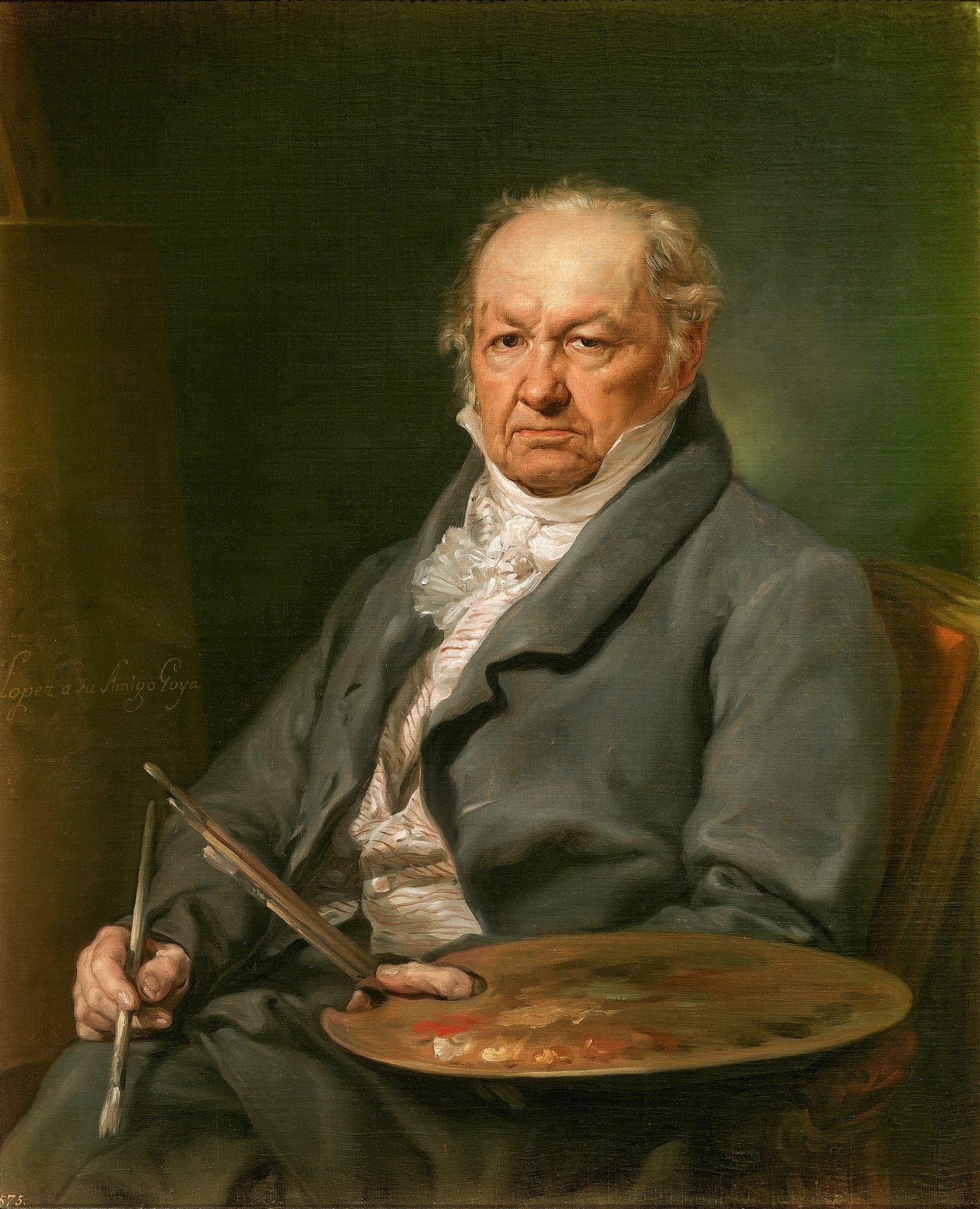
Francisco Goya (see Figure 1) born in 1746, is widely regarded as a luminary in historical artworks during the late 18th and early 19th centuries. His assimilation of both techniques is often regarded as ‘the pinnacle of his technical and creative achievement as an artist’ (Genocchio, 2008). Goya, an artist ‘devoted to expressive liberty’ (D. Felisati, G. Sperati, 2010) is recognised as a Romantic painter, with his works characterised by the raw, untempered emotion portrayed within the subject matter. Earlier in his career Goya served as a royal court painter to the Spanish monarchy, with one of his most notable works from this period, titled ‘King Charles IV and His Family’ (see Figure 2). It would be interesting to dictate whether Goya’s exposure to the royal court had informed his artistic style, or the perception of greater Spanish society during this period. The article ‘Francisco Goya – Biography and Artwork of the Spanish Artist’ (Artchive, 2023), outlines how his work influenced the Spanish population, illuminating Goya’s positioning in Spanish society. Themes of classism could also be explored here, perhaps focusing on Goya’s distinct use of satire, combined with the superficial, almost mocking nature of his royal portraiture at this time.
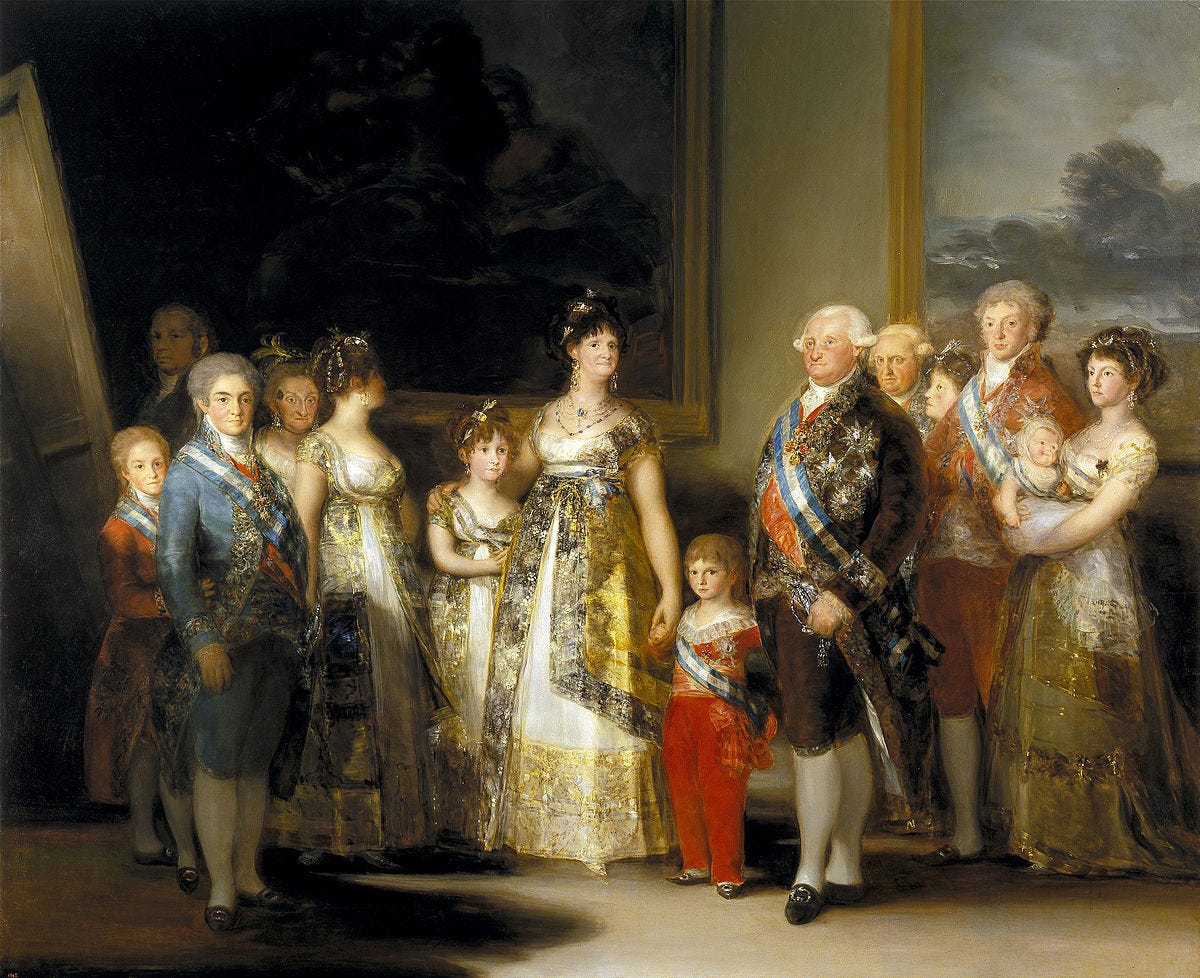
A book, titled ‘Exorcising Goya’s “The Family of Charles IV”’ (Olszewski, 1999), is a notable resource that explores Goya’s deliberate yet subtle use of satire within his work, creating a nuanced commentary on both the monarchy and the political climate of the time. This source further explores the negative interpretation surrounding the work, and the potential bias caused because of his ill representations. The author has published several texts which also pertain to Goya’s self-insertion techniques within his paintings, which could prompt further inquiry about his role as an observer, and commentator on the Spanish court and wider society.
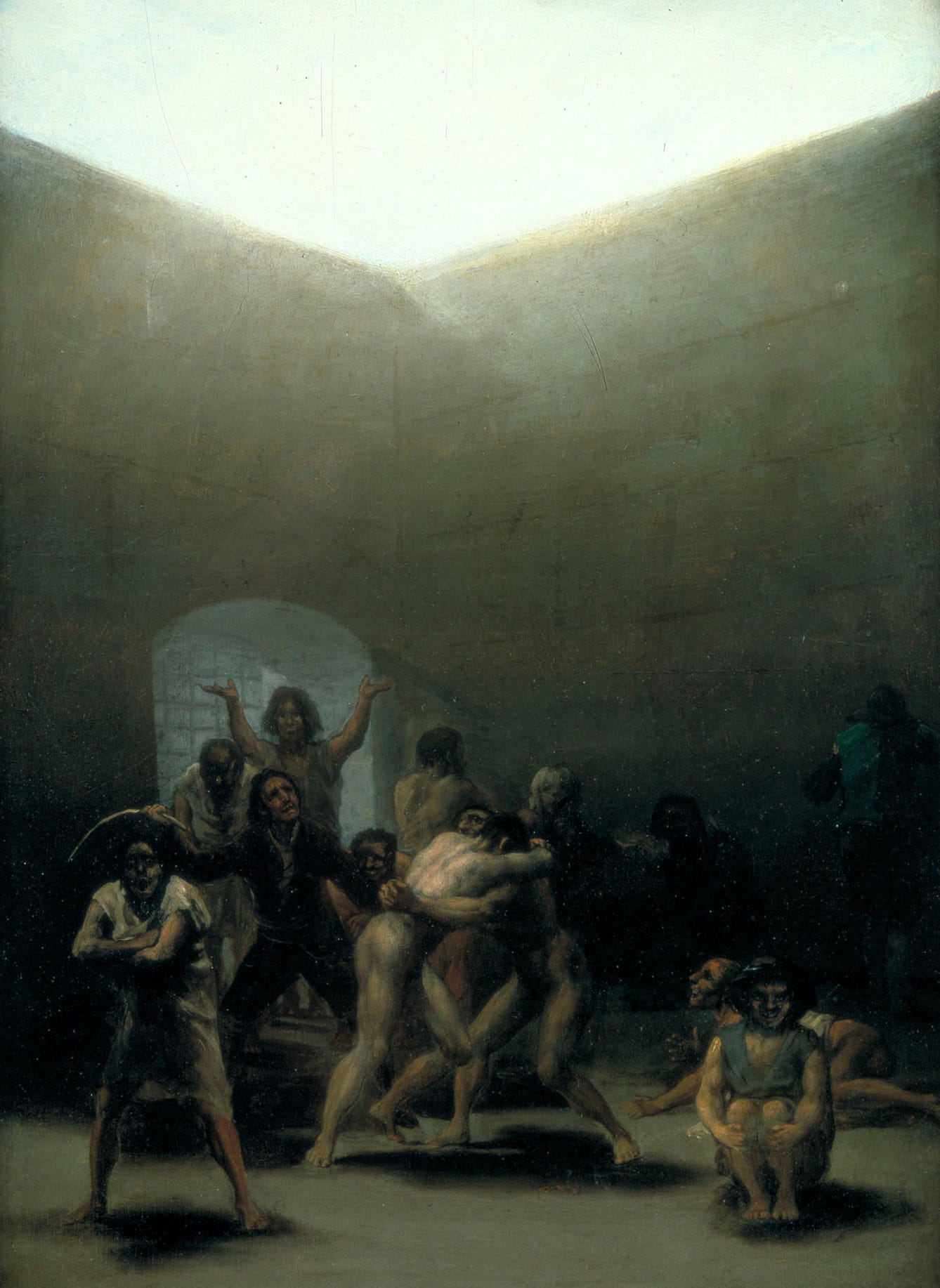
From this, an academic review titled ‘The shadow in the light: The dark romanticism of Francisco de Goya’ suggests that the artist ‘was not artistically tied nor constrained to a particular style, theme or approach’ (Burns-Dans, 2018). Goya’s unanticipated illness at the age of 46 rendered him completely deaf; marking a significant turning point within his work. Could this be a direct reflection of the self-doubt, anxiety and fear that he was in fact going mad? One prime artwork ‘Yard With Lunatics’ exemplifies this, (see Figure 3) a scene that Goya reportedly recalled from his youth at an asylum in Zaragoza. Goya has reportedly described his works as a ‘sombre vision of human bodies without human reason’; conveying a bleak, and pitiless view of humanity (Tomlinson, 2021). Although there are few articles addressing Goya’s sudden deafness, there is one study of note, an academic review written by Sarah Bahr. This article probes the complex nature of his artistic evolution, arguing whether a selection of Goya’s work was ‘medically motivated’ (Bahr, 2018) or simply an ‘outflow of a tormented great soul’ (Lubow, 2003).
Wider Historical Context
Goya was above all, recognised as a Romantic painter. At its very core, this artistic movement embodied European idealism and virtues; all in direct contrast to the events occurring in the late 17th and early 18th centuries. A wider area of study could focus on the Romanticism movement itself, and how this wider development informed Goya’s creative output, if it did at all. Examining his work chronologically could build a more comprehensive framework that better documents his evolving artistic preferences. Delving deeper into the understudied aspect of losing a primary sense could perhaps act as a catalyst for his dark Romantic artworks. At what point did this shift occur? Is this shift a result of his disability, or was this a variety of factors? A documentary, ‘Goya: The Romantic Pioneer Whose Paintings Took A Dark Turn’ (Perspective, 2023), concentrates on his earlier artworks, and gives additional context to Goya’s formative years. Another resource, a book titled ‘Goya: A Portrait of the Artist’ (A. Tomlinson, 2020), provides an exhaustive exploration of his lifetime; not only investigating the minutiae of his earlier life, but emphasising his significance centuries after his death.
From a broader perspective, it seems apparent that the entirety of Goya’s life can be simply categorised by two major historical events: the Spanish Inquisition and The Peninsular War. These events not only shaped the discourse of his lifetime but had seemingly informed his world views within this historical context, with his works becoming increasingly critical and introspective. A prime case study to exemplify this is his series, ‘The Third of May, 1808,’ (see Figure 4) is considered one of his most prestigious pieces. As opposed to capturing triumphant victories of war, Goya accurately portrays a raw, unfiltered reality, highlighting the profound psychological toll of warfare on humanity. There are a plethora of online resources that explore this single painting in great detail, one of which is ‘The Transformative Impact of Goya: Redefining the Depiction of War,’ (Cooper, 2023) offers a comprehensive analysis of how Goya’s art reshaped the narrative surrounding warfare, and its impact on society. Is this perhaps a greater representation of his fear?
The Spanish Inquisition
Arguably one of the most significant historical events in Western Europe to expand upon further would be to examine the more minute details of the Spanish Inquisition; in particular the practices of the Inquisition itself. The relentless pursuit of power by the Catholic Church had ‘seemingly dragged Spain back into the dark ages’ (Tomlinson, 2021); a blatant and callous regression amidst an era of such intellectual growth within the rest of Europe. A secondary area linking to this would be the period of Enlightenment; an intellectual and philosophical movement that drastically transformed and revitalised Western Europe. Potentially a greater exploration into this cultural shift could further illuminate how this evolving global dynamic directly conflicted with the superstitious beliefs, and the innate fear of the unknown that seemingly plagued the Spanish population. Additionally, this could better inform Goya’s inherent disappointment; seeing so much hope, so much potential as to what Spain could have been; which he ultimately never experienced.
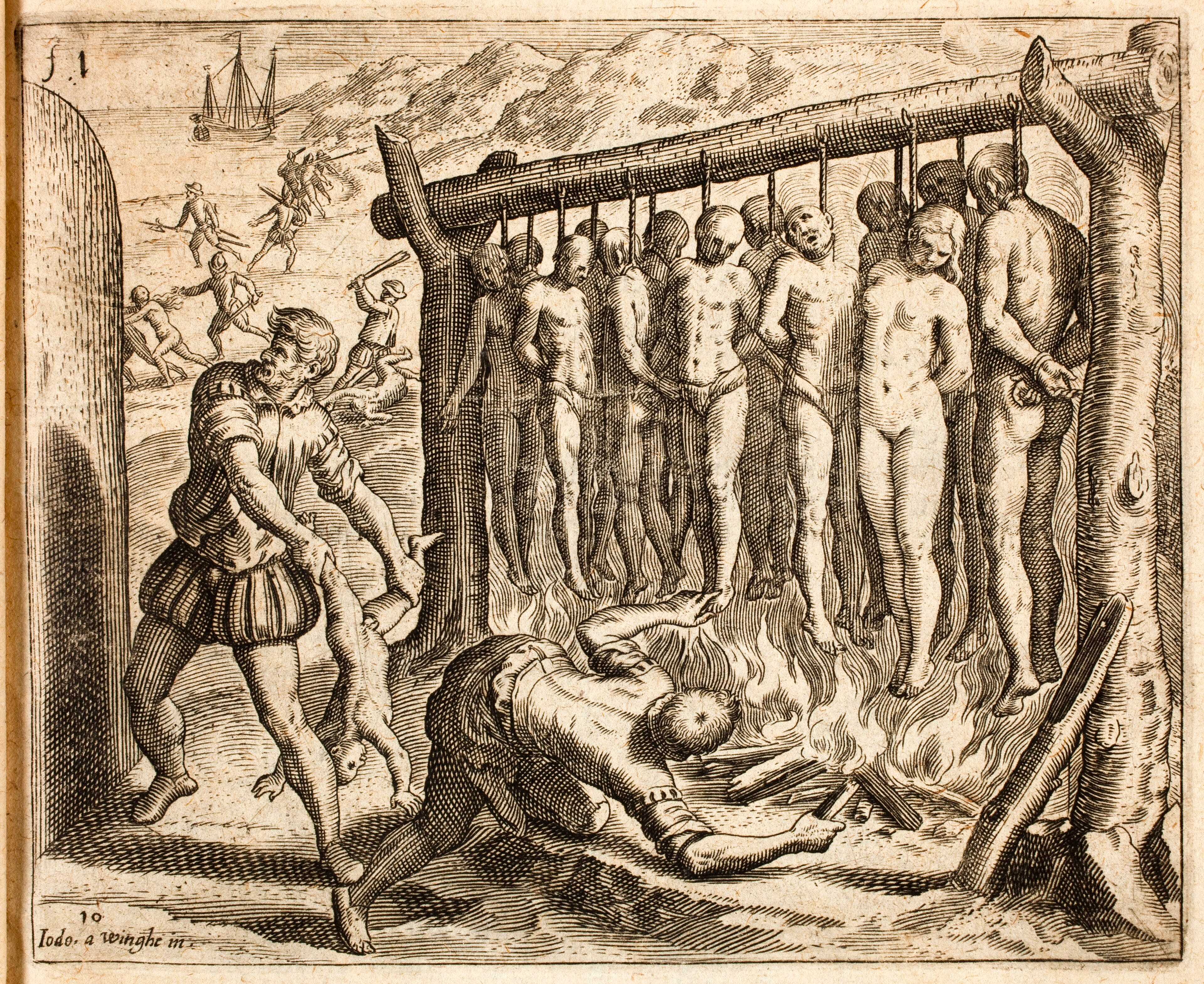
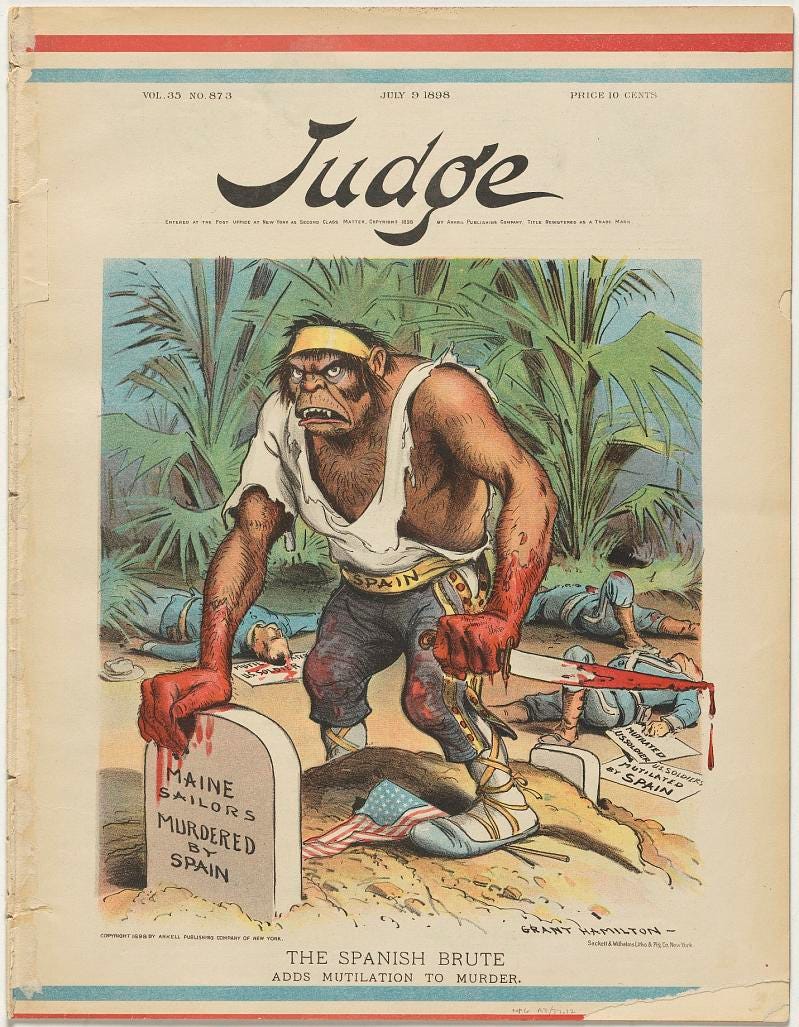
A notable example of academic literature also introduces the term, ‘Black Legend Theory’, a term attributed to the Spanish journalist Julián Juderıás, in an essay written in 1912 (Greer, Mignolo, and Quilligan, 2021). A book detailing this states that it was ‘designed to promulgate the blackest facts about Spain and its rulers to serve as a warning of the consequences of Spanish hegemony in Europe’ (Blackwell, 2004). A surrounding area would perhaps focus on the use of propaganda (see Figures 5 and 6) at this time; was factual reality being distorted? There are a plethora of articles online debating the validity of this theory one of which considers that ‘the black legend […] portrays Spain, its history, and its people in a consistently unfavourable light’ (Hernández, 2006). Observing this through a power lens, or even combined with a structuralist approach could examine how political interests, cultural biases, and power dynamics influenced the validity of the Black Legend. There would be greater scope to analyse contrasting arguments to this. What happens when people are shielded from the rest of the world?
Religious Upheaval
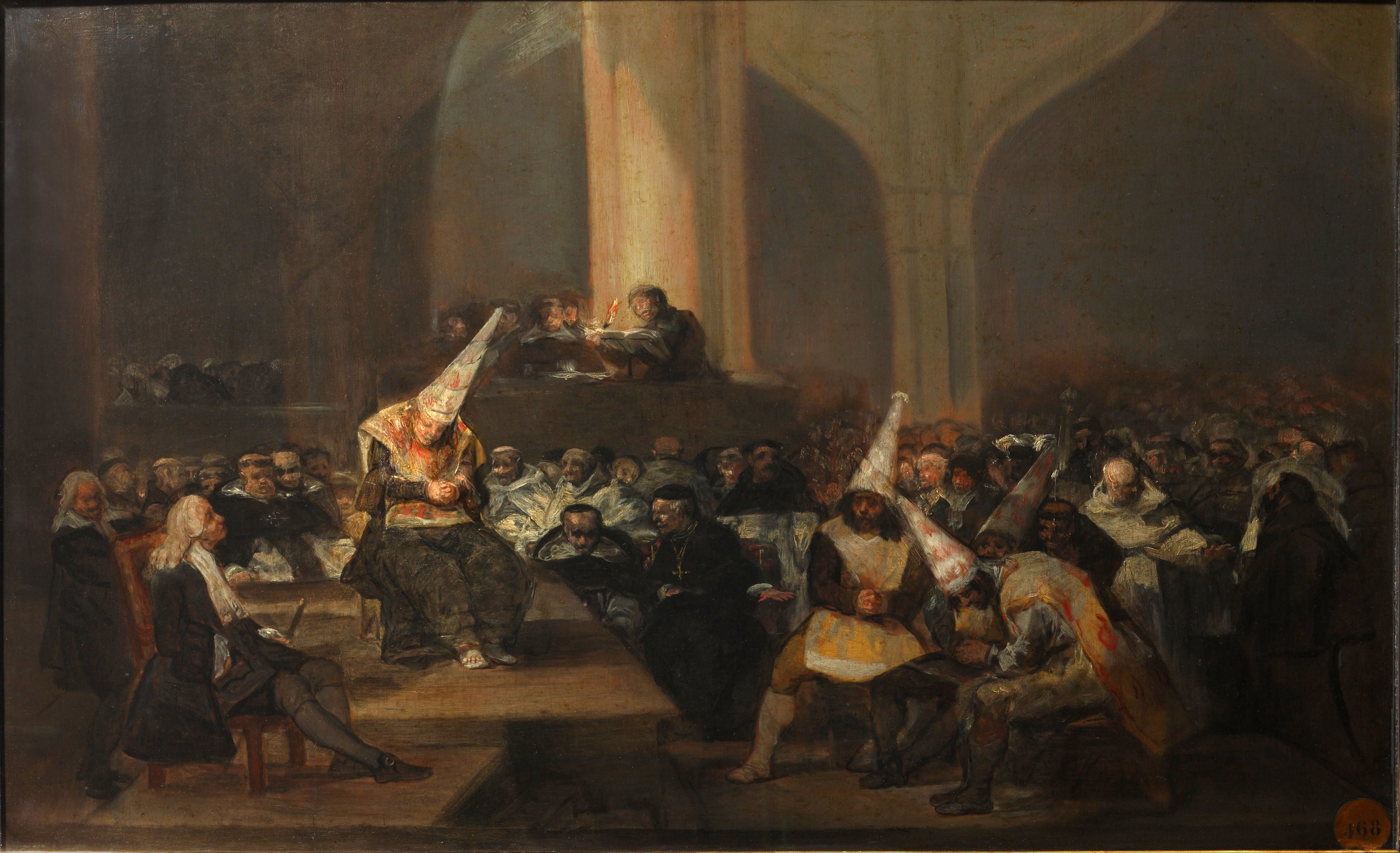
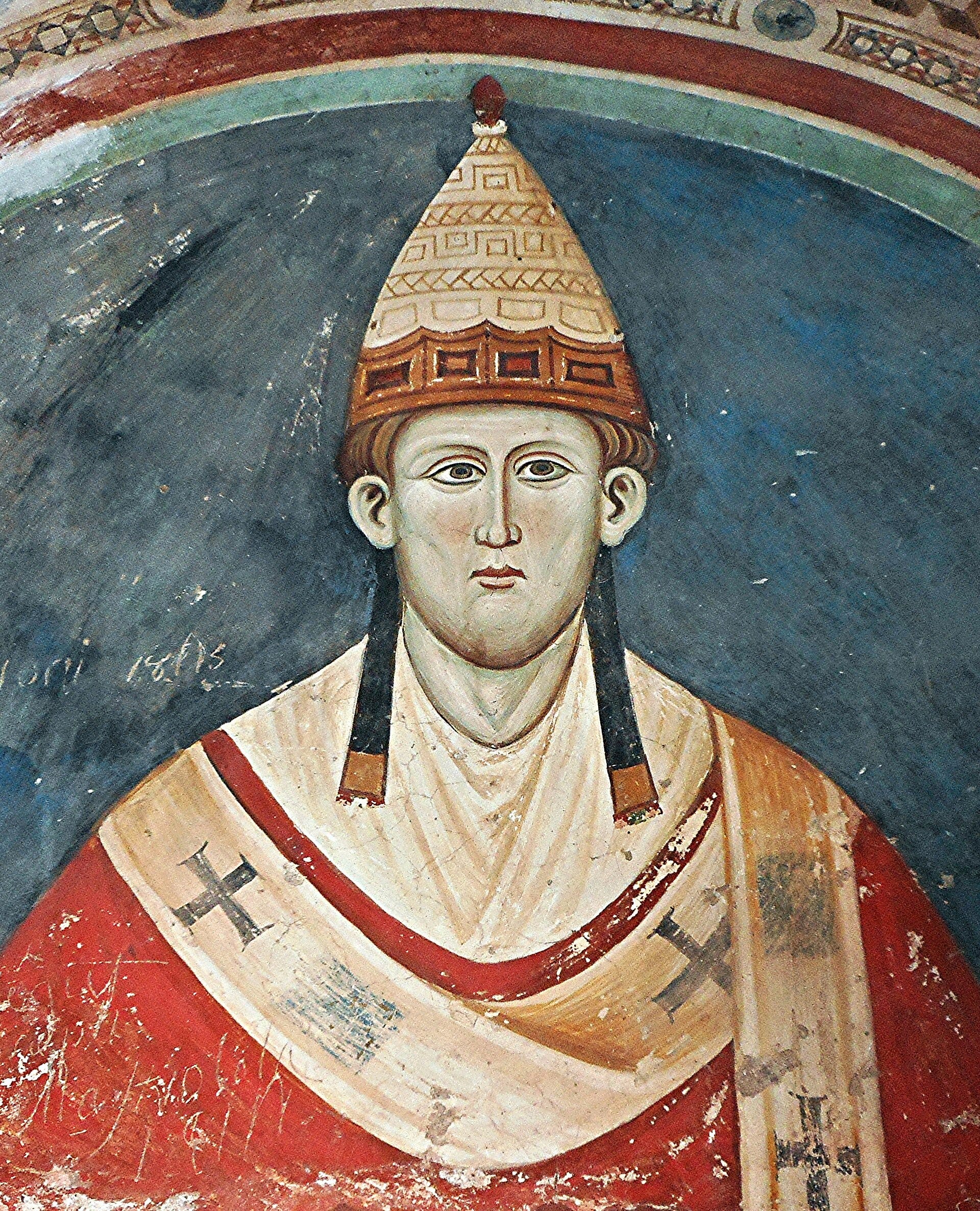
Leading on from this, one could consider looking at the ‘Autos-Da-Fé’ a ritual of public penance during the Inquisition. A prime artwork to consider would be ‘The Inquisition Tribunal’ (see Figure 7) painted by Goya between 1812 and 1819. The piece depicts the interior of a church, with apostates undergoing an aforementioned Autos-Da-Fé. Inquisitors, specially trained priests, sought to eradicate heresy by extracting confessions and penance, ‘instilling medieval fear in a modernised society’ (Tomlinson, 2021). Focusing on a more analytical approach, this could demonstrate how Goya interpreted what was occurring around him, and ultimately how he translated these sufferings into art. As recorded, an official declaration of Pope Innocent III (see Figure 8) states that ‘anyone who attempted to construe a personal view of god which conflicted with the church dogma must be burned without pity’ (Bush, 2015). This religious figure could be investigated further, perhaps how greater Spanish society viewed the practices of Catholicism, or even still how Goya’s portrayal in ‘The Inquisition Tribunal’ serves as an intersection between religious authority and coercion.
A highly argumentative piece of literature, ‘Anatomy of Torture’ (Hassner, 2022) questions the accuracy of widespread depictions of torture throughout the Inquisition. There would be ample space to uncover the intricate relationship between fear-mongering tactics, and religious conformity during this period. This could perhaps shed light on how these dynamics affected Goya’s livelihood as he navigated the socio-religious upheaval amidst this. Examining such figures as Eugenio Lucas Velazquez, a Romantic painter akin to Goya, could reveal a more comprehensive understanding of what Spanish society had inevitably become, further illuminating the broader societal context marked by the lingering influence of the Inquisition.
Superstition and The Extremities of The Occult
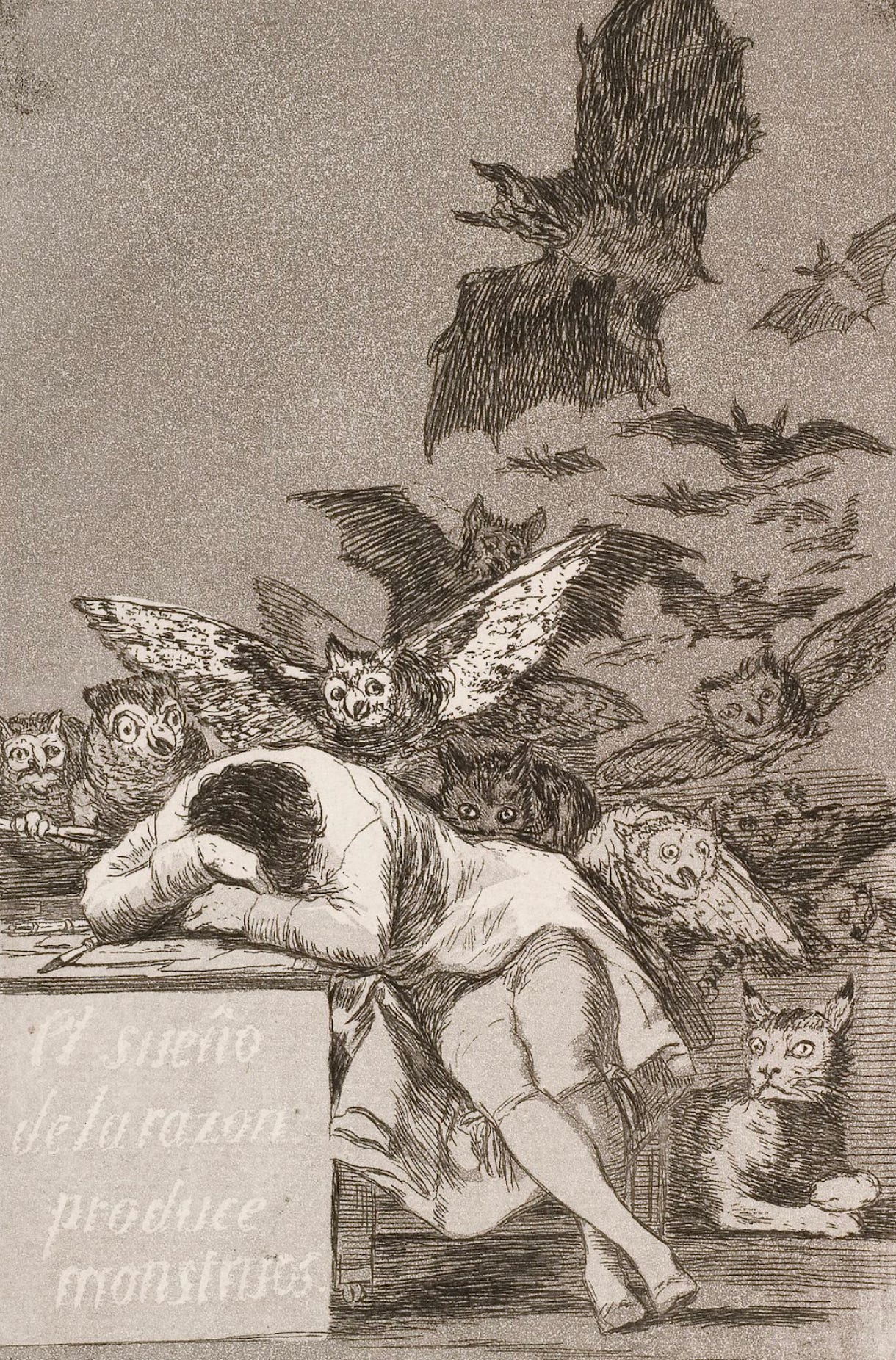
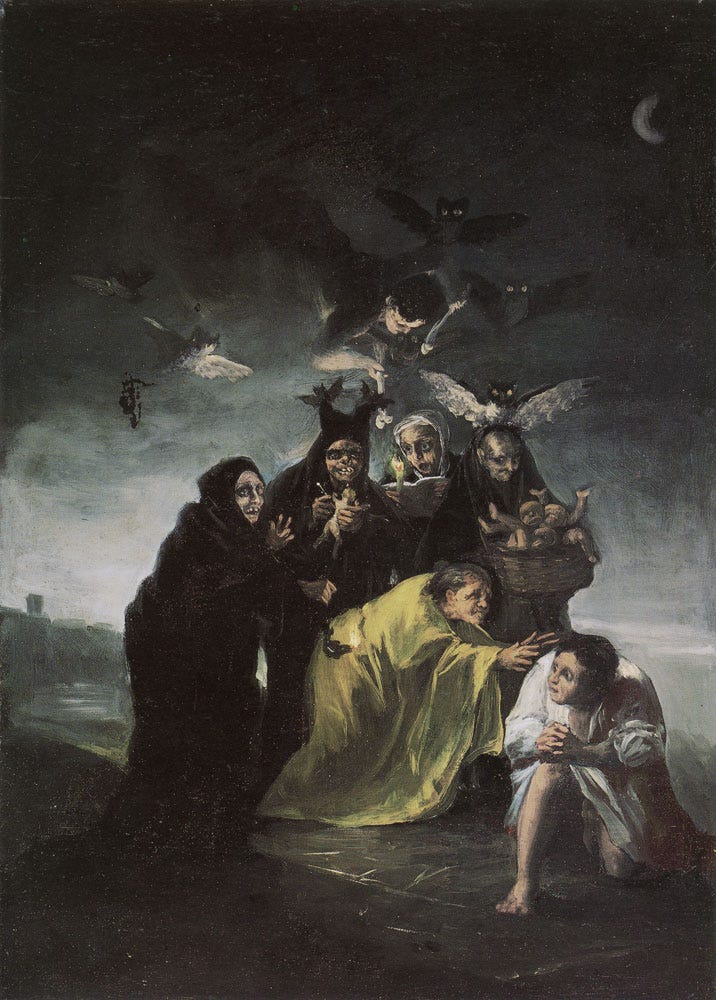
One key contributor to the artistic landscape of Goya’s lived experiences and his creative endeavours is Carmen Fernandez Salvador, a professor of Art History at Universidad San Francisco de Quito. A critical resource to consider is an article, ‘The Witches of Goya’ (Fernandéz-Salvador, 1998) which examines the minute details behind some of his particularly symbolic works of art. She has collected and distributed valuable insights into these particular artworks, exploring themes surrounding superstition and the extremities of the occult; themes which ‘at this time stood in direct opposition to the values of the church’ (Davenport, 2019). One approach could narrow down on the iconography used here, for example the depiction of the donkey, a common symbol of ignorance. Another example, the series of etchings ‘Los Caprichos’ could exemplify this further. A book, ‘The Crisis of the Spanish Enlightenment’ (Dowling, 1985) studies one piece in particular, ‘The Sleep of Reason Produces Monsters’ (see Figure 9) created by Goya in 1799. Was he obsessed with this superstitious iconography?
The depiction and characterisation of women as witches (see Figure 10) could be inferred as ‘an attempt to neutralise women’s power when it appears as a threat to the established order of patriarchal society’ (Fernandéz-Salvador, 2018). This could be pursued by focusing on a feminist lens; how the portrayal and perception of women and witches alike contributed to the broader societal attitudes and beliefs; highlighting such dynamics prevalent within his society. This could also contribute to greater discussions on how female figures were represented in art and culture during the late 18th and 19th centuries. Could these values be reflective of contemporary society? Are similar comparisons between women and the illusive threat of superstition representative of modern culture? From this, this would be a prime opportunity to unravel how women have been greatly demonised within this intricate historical context.
Goya’s Fated Decent into Madness
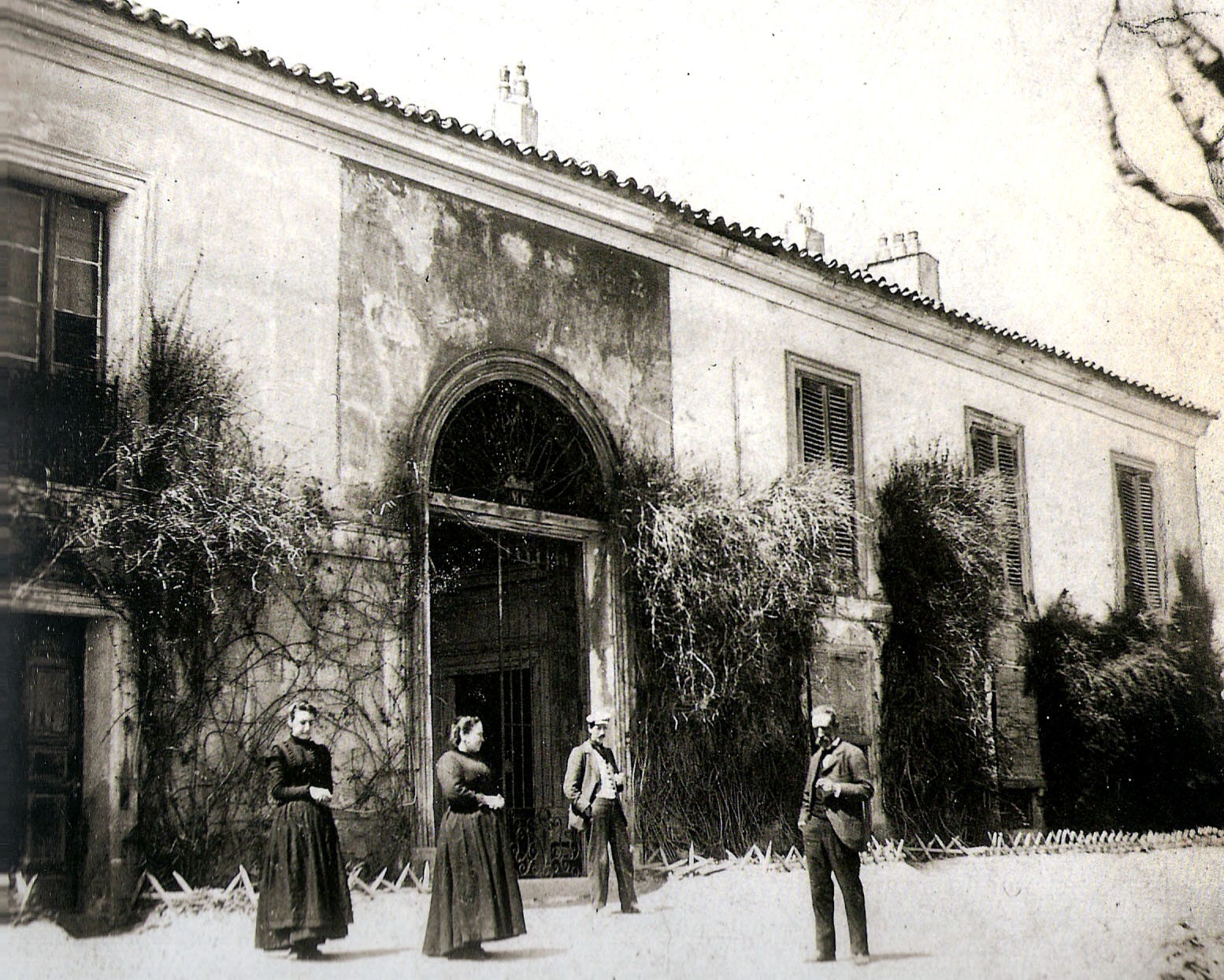
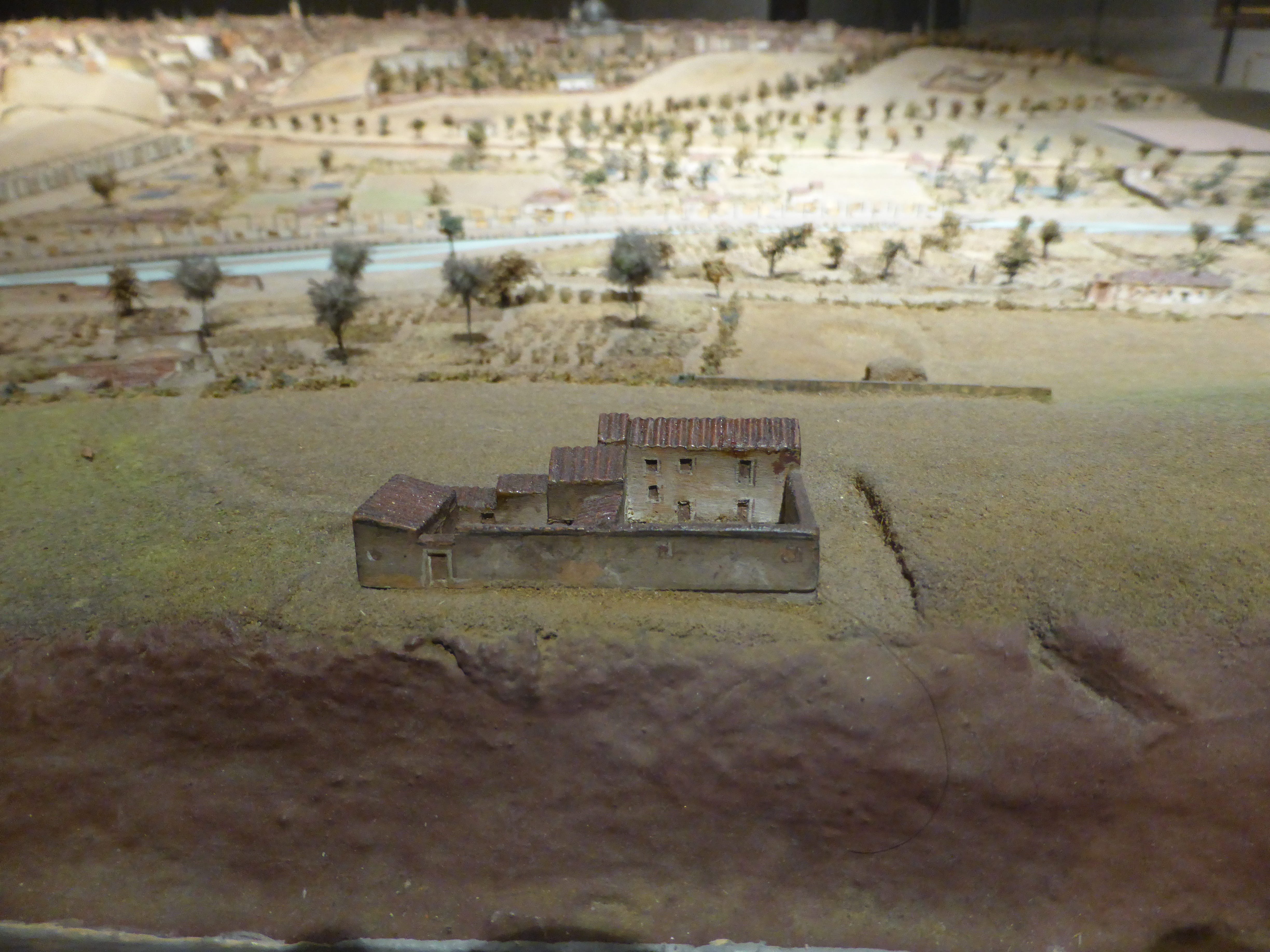
‘The Black Paintings’ , commonly known as ‘Las Pinturas Negras’ is a series of fourteen murals that Goya had painted directly onto the walls of his farmhouse residence (see Figures 11 and 12), ‘retreat(ing) to the life of a recluse’ (The Artist Editorial, 2023). Widely considered Goya’s most renowned artworks, The Black Paintings were supposedly created sometime between 1821 and 1823, of which his bleak visions offer an arguably more visceral and compelling narrative. A plethora of sources online recognise these works as highly disturbing, as ‘some people can hardly look at them’ (Phelan 2019). This could lead some to question what is scarier, the truth or the human imagination?
An article exploring the intricacies of Goya’s Black Paintings authored by Robert Hughes notes that ‘Goya still speaks with urgency, even 175 years after his death’ (Davis, 2004). Hughes, an Australian art critic and writer is a key contributor to the artistic landscape, gaining international recognition for his insightful and often controversial writings. In an interview conducted in 2003, he describes Goya as ‘an extremely strong character, which enabled him to negotiate all the things that were thrown his way, principally […] his deafness’. Strikingly, there is a severe lack of resources that acknowledge the array of his influences. The majority of online content tends to centralise on his isolated struggles, rather than a broader image of his lifetime. It is essential to explore a wider variety of factors to provide a more expansive landscape; perhaps focusing on the combination of his disability, his psychological state, and the harrowing events he bore witness to.
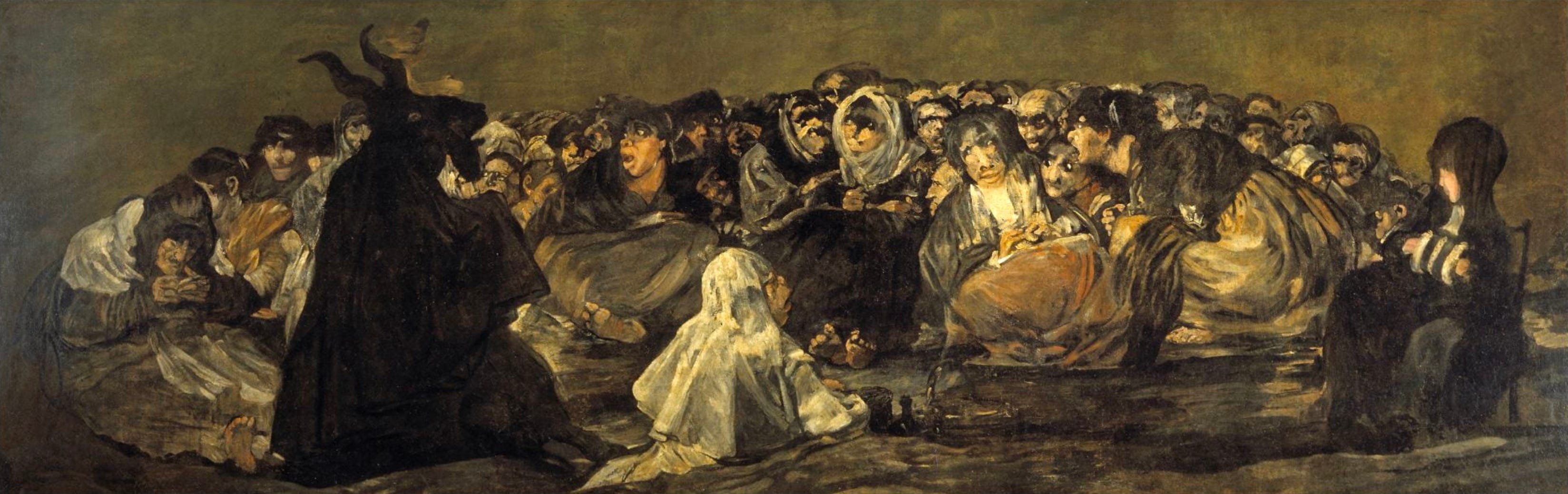
A work of particular significance here, a title offered by painter Antonio Brugada ‘El Gran Cabrón’ (The Great He-Goat), (see Figure 12) is arguably recognised as one of his most significant works during this time. An online text, ‘The Goat In Goya’s “Witches’ Sabbath”’ (Posèq, 1999) provides extensive detail on the historical context surrounding each painting, as well as a thorough analysis of the subject matter and symbolism embedded within these paintings. The article delves into the psychological influences and key motivations of Goya; shedding further light on the artist’s inner turmoil during ‘a period where mental illness was so neglected and demonised’ (Blind Dweller, 2021). A greater exploration into the psyche of the artist could provide greater insight into his motivations towards creating such cynical, yet compelling works.
Did Goya intend for this series of works to be viewed by the public? Was this direct evidence of his inner turmoil? What was it that Goya intended to communicate through these works, if he meant to communicate anything at all? Alternatively, there is a wider scope to investigate additional paintings from this series; what imagery was used, his use of colour and technique, and how they ultimately reflect the artist’s inner turmoil. Perhaps acknowledging modern perceptions of Goya’s distinctive work could serve as a reflection of how art is often informed by dominant ideas within a given period.
In an extended analysis, a potential focus could delve into the longstanding contemporary effect of Goya’s artworks, prompting exploration into the extent to which his creations convey an ‘objective’ reality. Investigating how his commentaries, generated by his artworks, raise questions about whether Goya’s personal depictions were a grander representation of the society in which he lived. Does his art represent an obscured outlook?
A deeper analysis of alternate perceptions of his work, through critics and historians, would be crucial to considering the multifaceted nature of Goya’s legacy. Surrounding this, looking into how varying religions and cultures could inform us about potential biases within this context. Contrasting these findings with different cultural and religious audiences, particularly focusing on iconography and its varying interpretations, would enrich this analysis further. Ultimately, a wider focus on this topic could lead to a more nuanced exploration of the ideologies and worldviews that shape the impact of his artworks today. How closely does Goya’s art reflect our own humanity?
References
ARTCHIVE. 2023. ‘’Francisco Goya – Biography and Artwork of the Spanish Artist’ Artchive. [online].
BAHR, Sarah. 2018. ‘Medical deafness or the madness of war: Goya’s motivation for creating the Black Paintings’. Hektoen International. [online].
BLACKWELL, Wiley. 2004. ‘The Historiography of the Inquisition’ [online].
Blind Dweller. 2021. ‘The Ominous Black Paintings of Francisco Goya.’ [documentary].
BURNS-DANS, Elizabeth. 2018. ‘The shadow in the light: The dark romanticism of Francisco de Goya’. The University of Notre Dame Australia.
BUSH, Lawrence. 2015. ‘July 15: Innocent Declares Jews Guilty’ JewishCurrents. [online].
COOPER, Avery. 2023. ‘The Transformative Impact of Goya: Redefining the Depiction of War’. [online].
DAVENPORT, Harper. 2019. ‘Witchcraft and Superstition in Goya’s Los Caprichos’. [online].
DAVIS, Heather A. 2004. Robert Hughes on Goya. Penn Today. [online].
DOWLING, John. 1985. ‘The Crisis of the Spanish Enlightenment: Capricho 43 and Goya’s Second Portrait of Jovellanos’.
FERNÁNDEZ-SALVADOR, Carmen. 1998. ‘The Witches of Goya’ [online].
FESISATI, D. and SPERATI, G. 2010. ‘Francisco Goya and his illness’ National Library of Medicine [online].
GENOCCHIO, Benjamin. 2008. ‘Social Commentary in Evocative Prints From Goya’ The New York Times [online].
GREER, Margaret R. and MIGNOLO, Walter D. and QUILLIGAN, Maureen. 2021. ‘Rereading the Black Legend’.
HASSNER, Ron. E. 2022. ‘Anatomy of Torture’.
HERNÁNDEZ, Mark A. 2006. Figural Conquistadors: Rewriting the New World’s Discovery and Conquest in Mexican and River Plate Novels of the 1980s and 1990s.
HUGHS, Robert. 2003. Interviewed by Charlie Rose on The Power of Questions. Charlie Rose, February, 2003. [online].
LUBOW, Arthur. 2003. ‘The Secret of the Black Paintings’ The New York Times [online].
OLSZEWSKI, Edward J. 1999. ‘Exorcising Goya’s “The Family of Charles IV”’.
PERSPECTIVE. 2023. ‘Goya: The Romantic Pioneer Whose Paintings Took A Dark Turn’.
POSÈQ, Avigdor W. G. 1999. ‘THE GOAT IN GOYA’S “WITCHES’ SABBATHS”’.
THE ARTIST EDITORIAL. 2023. ‘Why You Must Know Goya’s Black Paintings, The Darkest Painting Series in the World’. artist [online].
TOMLINSON, Brittany. 2021. ‘Why are these paintings so scary?’ [online].